
Author: Hafsa Nouman Siddiqui
In the global narrative on climate change, some truths are universal. Sea levels are rising, extreme weather events are becoming more common, and human activities continue to exacerbate these changes. However, what isn’t often discussed is the glaring disparity between countries causing climate change and those suffering from its dire consequences. Enter Pakistan, a country that showcases this disparity in its starkest form.
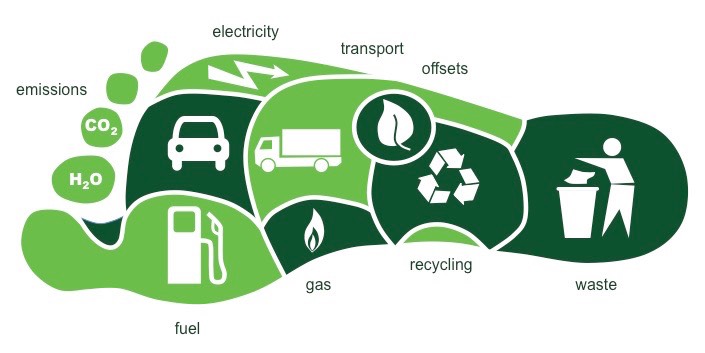
A Modest Footprint: When we think of major carbon emitters, nations like the United States, China, and India typically come to mind. As per the Global Carbon Atlas, these countries are the top contributors to global CO2 emissions. On the other hand, Pakistan contributes less than 1% of the world’s total carbon emissions.
Despite its 220 million-plus population, Pakistan’s per capita carbon emissions are among the lowest in the world. Much of this can be attributed to its agrarian economy, limited industrial activity, and the absence of mass consumerism patterns seen in more developed economies.
Facing the Fury of Climate Change: Ironically, despite its minimal contribution to global carbon emissions, Pakistan ranks among the top ten countries most affected by climate change, according to the Global Climate Risk Index by Germanwatch.
Here’s a snapshot of Pakistan’s vulnerabilities:
Glacial Melt: The glaciers in Pakistan’s northern areas are receding faster than in any other part of the world. This not only threatens the freshwater supply for millions but also increases the risk of glacial lake outburst floods.
Heatwaves: Cities like Karachi have experienced deadly heatwaves, with temperatures soaring above 40°C, causing significant fatalities, particularly among vulnerable populations.
Erratic Monsoons: While some parts of Pakistan experience droughts, others face intensified monsoons, leading to floods that displace thousands and wreak havoc on agricultural lands.
Sea Level Rise: The Indus Delta is acutely vulnerable to sea-level rise, threatening the livelihoods of millions of fishermen and farmers.
A Call for Global Solidarity: Pakistan’s predicament underscores a broader issue: the countries contributing least to climate change are often the ones bearing its most severe brunt. This demands a global reckoning and, more importantly, solidarity.
International agreements and funds must be more proactive in supporting countries like Pakistan. Efforts should span from infrastructural adaptations, like building flood-resistant structures, to educational programs that teach communities about climate resilience.
Pakistan’s paradox serves as a sobering reminder of the unequal distribution of climate change’s impacts. As we continue to champion reductions in carbon emissions, it’s crucial also to advocate for support mechanisms for those at the frontline of climate disasters. After all, in the interconnected world of climate change, we’re only as strong as our most vulnerable.
Leave a Reply