
Author: Hafsa Nouman Siddiqui
Oceans, covering 70% of Earth’s surface, are vital for our planet. Yet, increasing carbon dioxide emissions are leading to ocean acidification, jeopardizing marine ecosystems.
Ocean Acidification: A Growing Concern
Ocean acidification occurs when seawater absorbs excess atmospheric CO2. This process disrupts the water’s chemistry, harming marine species reliant on carbonate ions for their structures, notably corals.
Impact on Coral Reefs
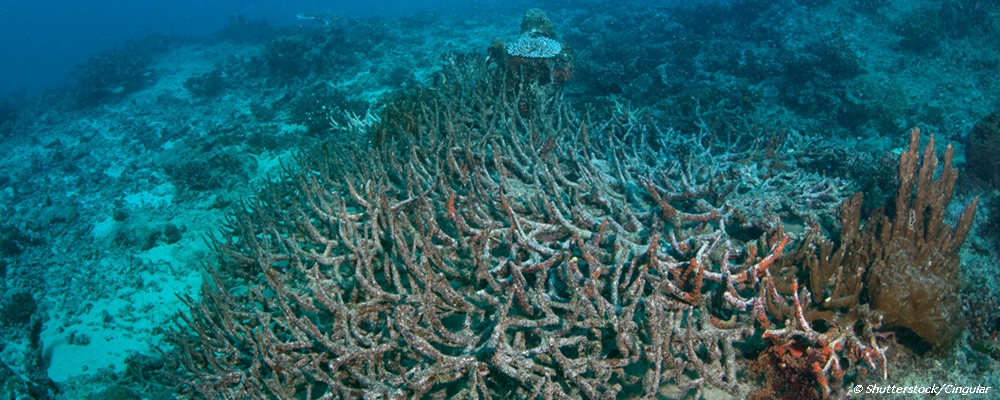
Warmer waters and acidification cause coral bleaching, where corals release essential algae, making them vulnerable. As these reefs deteriorate, marine biodiversity is at risk, affecting the entire oceanic food chain.
Coral Gardeners: Pioneers of Restoration
Coral Gardeners, based in Moorea, French Polynesia, are at the forefront of coral restoration. Through initiatives like the “Adopt a Coral” program, they’re making significant strides in reef recovery.
Oceans: Earth’s Oxygen Producers
Phytoplankton in the oceans produce 50-80% of the world’s oxygen. Their well-being, threatened by changing ocean conditions, underscores the importance of healthy marine ecosystems.
Our Way Forward
To ensure a sustainable future:
– Prioritize reducing CO2 emissions.
– Spread awareness of ocean health.
– Support marine conservation efforts like Coral Gardeners.
Our oceans’ health directly affects Earth’s balance and our survival. Supporting restoration and conservation efforts is a commitment to our planet and future generations.
Leave a Reply