
By Mahanaim Imdad
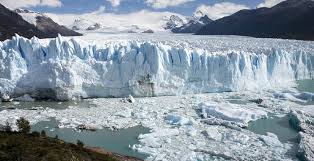
Pakistan is blessed with spectacular The Hindu Kush-Karakoram-Himalaya (HKH) mountain ranges, holding significant glacier reserves beyond the polar areas, have experienced the most substantial impacts from these abrupt outpourings of melted ice. Including Pakistan, the Hindu Kush–Karakoram–Himalaya (HKH) region spans eight countries, which is witnessing glacial melting at an alarming rate. It is sometimes referred to as the ‘Third Pole’ as it holds the 3rd largest storage of frozen water following Antarctica and the Arctic. Not only this region holds tourist attention but is also crucial to the region’s ecosystem, however, beneath this beauty lies a pressing issue that threatens the very essence of these giants – glacier retreat.
What is Glacier Retreat?
New seasonal snow and ice require time to accumulate and when the glacial melt occurs at a rate faster than the accumulation, the phenomenon is known as glacier retreat. When the glaciers are gone, when all that ice is gone there will be no more water, meaning the end of life.
Glaciers in Pakistan: A Vital Resource Under Threat:
Stretching across the northern regions of Pakistan, glaciers act as vital lifelines, nurturing the land with their meltwater. Most of Pakistan’s regions rely on them for their freshwater fulfillment, feeding the Indus River, upon which the country’s agriculture, and energy generation depend heavily. They play an essential role in maintaining the delicate balance of nature, shaping the landscape, and supporting countless communities.
Causes of Glacier Melting:
The rapid pace of glacier melting in Pakistan can be attributed primarily to the warming climate. According to Intergovernmental Panel on Climate Change, the global mean temperature will increase drastically, as this temperature rise occurs, these frozen water reservoirs of freshwater are feeling the heat, quite literally. Additionally, the deposition of black carbon and other air pollutants on the glacier surface darkens the ice, causing it to absorb more sunlight and accelerate its melt.
Consequences of Glacier Melting:
The effects of glacier melting spread across both Pakistani society and the natural environment. According to researchers, an increase has been recorded recently in climate change-related disasters in the HKH region, and its effects are altering our environment drastically. Over the last few decades, snow avalanches, flash floods, and landslides have been affecting the communities in these areas making make highly vulnerable. Moreover, these events are influencing infrastructure, rural livelihoods, and changes in water availability disrupting agriculture patterns and impacting flood security, hydropower, and much more.
Glacier Lake Outburst Floods (GLOFs) show how climate change can cause trouble in mountain areas. These floods can make the water overflow both up the mountain and down into the valleys. When these floods occur, they become even more harmful to the communities downstream. This happens because as glaciers melt, they create large lakes high in the mountains, and when these lakes suddenly burst, they can lead to extremely damaging floods.
Recently in 2021 and 2022, floods occurred as a result of heavy monsoon rainfall and glacial melt in the northern and southern provinces of Pakistan. However, the 2022 floods affected most parts of the country, the densely populated flood plains of southern Balochistan and Sindh were the worst hit, affecting a large population, acres of crops were destroyed, and many livestock were killed, not to mention the infrastructure damage.
International Collaborations and Policy Initiatives:
Despite being responsible for only a small fraction of worldwide greenhouse gas (GHG) emissions, Pakistan stands out as one of the countries most susceptible to the effects of climate change. International agreements and frameworks focused on climate change and glacier retreats, such as the Paris Agreement, highlight the need for collective action to curb greenhouse gas emissions and limit temperature rise.
Mitigation and Future Outlook:
While the situation may seem dire, there is hope on the horizon. Mitigating glacier melting requires a multifaceted approach. Reducing global greenhouse gas emissions remains a cornerstone in slowing the rate of climate change. Additionally, innovative solutions like the creation of artificial glaciers and sustainable water management practices can buy time for these natural wonders.
The melting glaciers of Pakistan remind us that we urgently need to tackle climate change. Their disappearance shows how everything in our world is connected, and it’s a result of what humans do. As we face the truth about the glaciers melting, it’s really important that we take action. It’s up to all of us to protect these huge and amazing parts of nature. If we use sustainable ways and work together, we can make sure these giants stick around for a long time, making people amazed and showing how determined humans can be.

Leave a Reply