
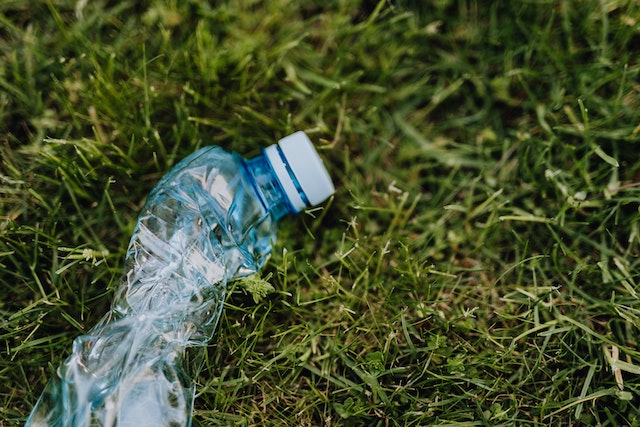
In our linear consumption-driven society, waste has often been seen as a problem to be dealt with, without fully realizing its potential. However, a paradigm shift is underway, heralding the emergence of a new and sustainable approach known as the circular economy. In this blog post, we will explore the concept of the circular economy and its transformative power in turning waste into valuable resources while creating a more resilient and sustainable future.
Understanding the Circular Economy:
In this section, we will provide a comprehensive overview of the circular economy. We will explain how it aims to move away from the traditional “take-make-dispose” model to a system that focuses on reducing waste, reusing materials, and recycling or repurposing products. By emphasizing the importance of closing the loop and keeping resources in circulation, we can minimize waste generation and reduce the strain on our environment.
The Environmental and Economic Benefits:
Here, we will highlight the environmental and economic advantages associated with embracing the circular economy. From reducing carbon emissions and preserving natural resources to creating new job opportunities and fostering innovation, the circular economy offers a myriad of benefits. We will discuss real-life examples of businesses and industries that have successfully implemented circular practices and reaped the rewards.
Designing for Circularity:
In this section, we will delve into the concept of designing products and systems with circularity in mind. We will explore the principles of eco-design, product life extension, and resource recovery, highlighting how businesses and individuals can integrate these principles into their practices. By prioritizing durability, reparability, and recyclability, we can ensure that products have a longer lifespan and reduce the need for constant consumption.
Collaboration and Innovation:
The circular economy thrives on collaboration and innovation. In this section, we will discuss the importance of forging partnerships between businesses, governments, and communities to create a supportive ecosystem for circular practices. We will showcase examples of collaborative initiatives such as sharing platforms, resource exchanges, and waste-to-resource projects that are transforming the way we think about waste.
The circular economy presents a transformative opportunity to reshape our relationship with waste and resources. By adopting circular practices, we can reduce waste, conserve resources, and create a more sustainable and prosperous future for generations to come. Let us embrace the circular economy and its potential to unlock value from waste, foster innovation, and build a resilient economy that works in harmony with the planet.
Ready to join the circular economy movement? Explore our website to learn more about Irverde’s initiatives and how you can contribute to building a more sustainable future. Together, let’s embrace the power of the circular economy and pave the way towards a waste-free world. Join us on this transformative journey today!
Leave a Reply